


Introduction: Watering seems simple, right? Just give your plants a drink! However, it's one of the most common challenges for both new and experienced plant parents. Overwatering can lead to root rot, while underwatering leaves plants dry and stressed. Mastering the art of watering is crucial for healthy, thriving plants. Let's uncover the secrets to proper plant hydration.
Why is Proper Watering So Important?
Plants need water for photosynthesis, nutrient transport, and maintaining turgor (the internal pressure that keeps them firm). Too much or too little can quickly lead to stress, disease, and eventually, plant death.
Signs of Incorrect Watering:
- Overwatering: Yellowing leaves (often starting from the bottom), soggy soil, stunted growth, wilting despite wet soil, mushy stems, and a foul smell from the soil (sign of root rot).
- Underwatering: Drooping, crispy leaves (especially at the edges), dry and shrunken soil pulling away from the pot edges, slowed growth.
The Golden Rule: Check the Soil, Not the Calendar!
Don't water on a rigid schedule (e.g., "every Monday"). Instead, check the soil moisture.
- The Finger Test: Stick your finger about 1-2 inches deep into the soil.
- If it feels dry, it's likely time to water.
- If it feels damp, wait a day or two and check again.
- Moisture Meter: For more precision, a moisture meter can give you an accurate reading of soil wetness.
How to Water Your Plants Effectively:
- Water Thoroughly: When you do water, do it deeply until water starts to drain out of the bottom of the pot. This ensures the entire root ball gets hydrated.
- Empty Saucers: Never let your plant sit in standing water. Empty the saucer after about 15-20 minutes to prevent root rot.
- Use Room Temperature Water: Cold water can shock your plant's roots.
- Best Time to Water: Early morning is ideal. This allows the plant to absorb water throughout the day and the foliage to dry before nightfall, reducing the risk of fungal diseases.
- Consider Plant Type: Different plants have different water needs.
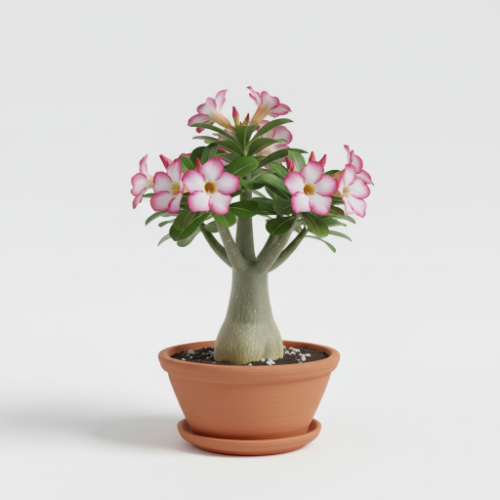
- Succulents & Cacti: Need very infrequent watering; let soil dry completely.
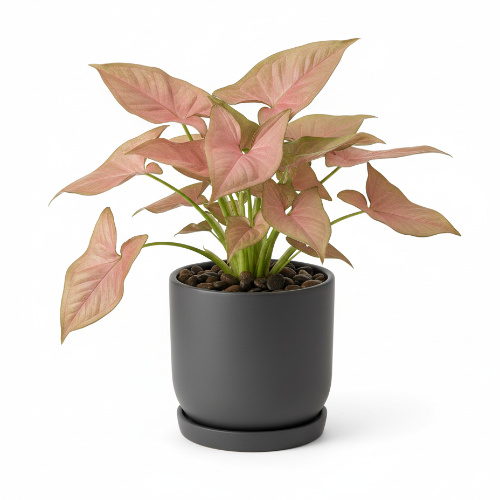
- Tropical Plants: Prefer consistently moist but not soggy soil.
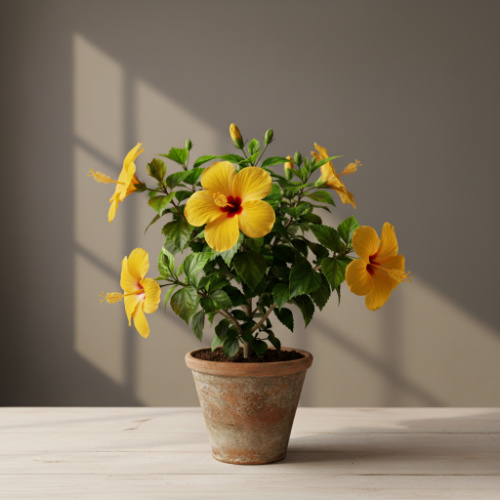
- Fruiting/Flowering Plants: Often need more water during their active growth and blooming periods.
- Assess Environmental Factors:
- Temperature: Plants need more water in warmer weather.
- Humidity: In dry environments, plants may need more frequent watering.
- Pot Material: Terracotta pots dry out faster than plastic or glazed ceramic.
- Pot Size: Smaller pots dry out faster than larger ones.
Advanced Watering Techniques:
- Bottom Watering: Place the pot in a tray of water and let it soak up water from the drainage holes. This encourages deeper root growth and prevents soil compaction. Remove once the topsoil feels moist.
- Shower/Sink Watering: For smaller houseplants, giving them a gentle "shower" can also help wash dust off their leaves and ensure thorough watering.
Conclusion: Watering your plants effectively is a skill that comes with practice and observation. By paying attention to your plants and their soil, you'll soon develop a natural rhythm that keeps them happy and healthy. Remember, it's usually better to slightly underwater than to overwater. For all your watering needs, from quality watering cans to moisture meters, visit Anand Garden Nursery!

0 Comments